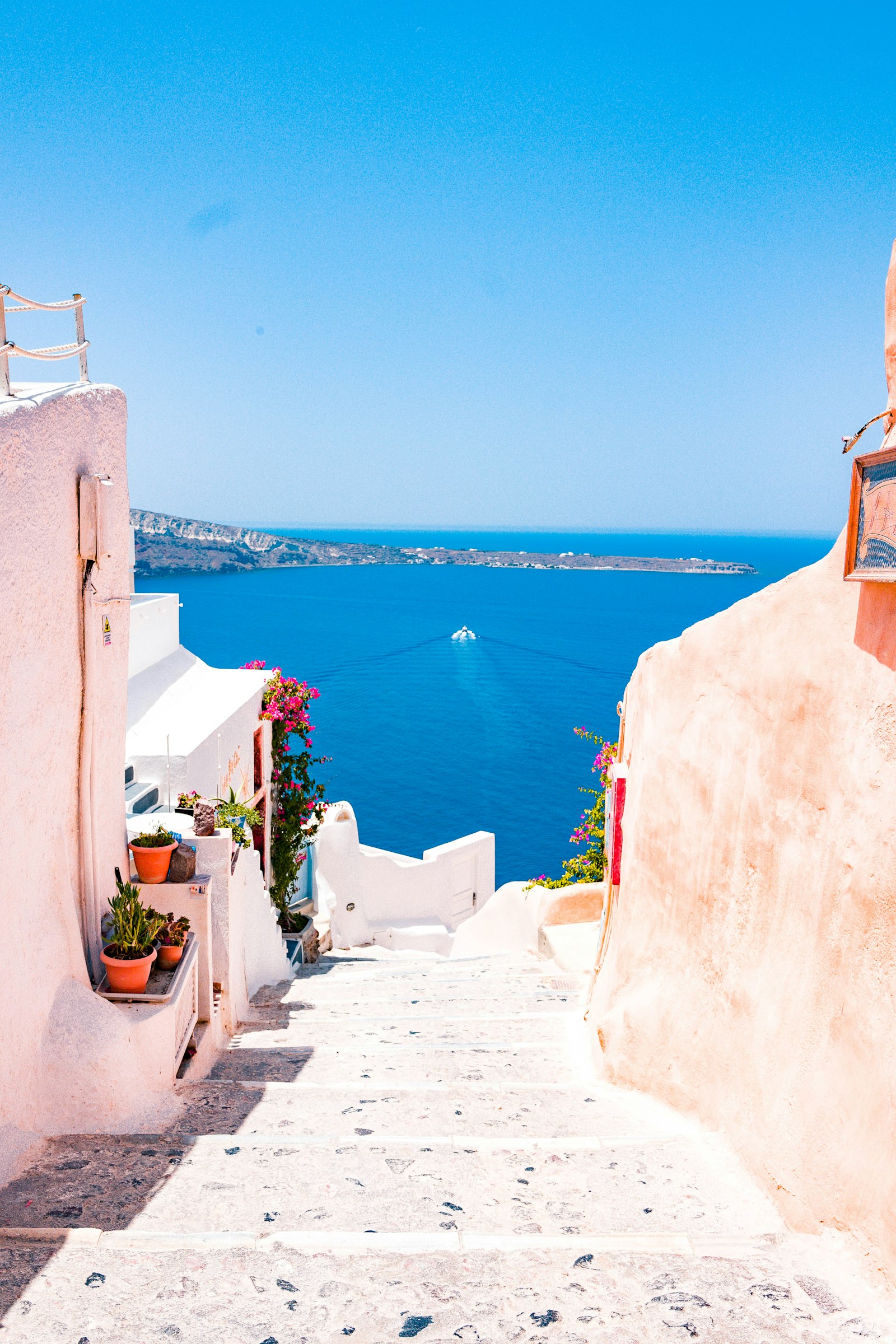
Peloponnesian myths do not stay in museums. They move like weather — a sudden story about a chariot race, a rumor of river gods, a festival invented to settle grief.
Pelops, whose name the peninsula still wears, arrives in myth as both prize and prize-winner: a narrative of contested gifts, dangerous alliances, and a landscape that absorbs the drama into geography. The story is less a single plot than a way Greeks explained why this land felt charged.
Names that stick to soil
When a place is named after a hero, every road becomes a footnote. Travellers hear “Peloponnese” and may think of beaches or highways; the older ear hears a person turned into territory. Myth performs that conversion again and again: body into mountain, grief into river, victory into grove.
Olympia concentrated those stories into ritual. Victory wreaths were botanical theology — wild olive as temporary crown, eternal metaphor. The games did not merely celebrate strength; they staged myth as public schedule.
Reading myth here means noticing how landscape still cues the old plots: heat that tests, water that heals, mountains that watch.
Weather as narrative engine
Afternoon wind across the western shore feels editorial. It rearranges umbrellas and attention alike. Myths of pursuit, crossing, and return make more sense when you feel how quickly Greek weather can change a day’s plan. The gods, in this reading, are less characters than climatic pressures with names.
A culture journal does not need to decide which version of a myth is “correct.” It needs to notice which versions still fit the light. On the Peloponnese, the fit remains uncanny: olive shade for patience, stone for memory, sea for release.
From story to stroll
You can visit Olympia without believing in Pelops and still leave with the myth’s structure in your body — approach, ordeal, recognition, return. That structure is why mythology belongs beside wellness writing here. Both ask what a landscape does to a human tempo.